Pediatric Endocrine Emergencies – Dr. Deepa Mathew, DO
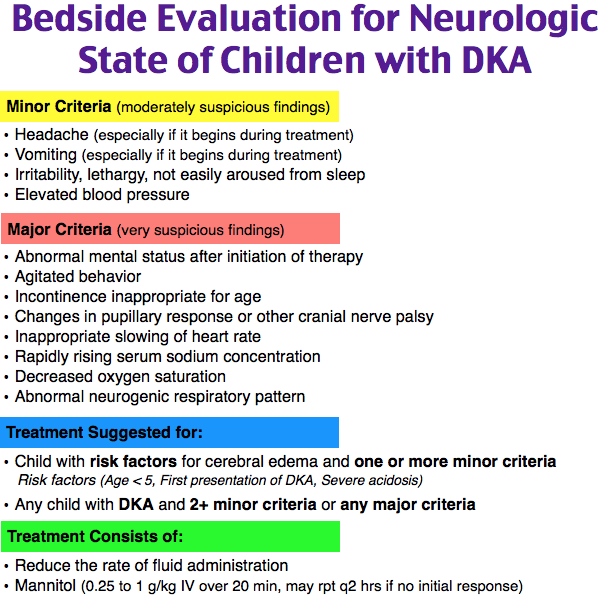
– Diabetic Ketoacidosis
– DKA: complication of uncontrolled DM, Ketones present, PH <7.3 or CO2<15
– If you see a kid that comes in with insulin pump in DKA = TAKE OFF THE PUMP
– TX: fluids, insulin, electrolytes
– 
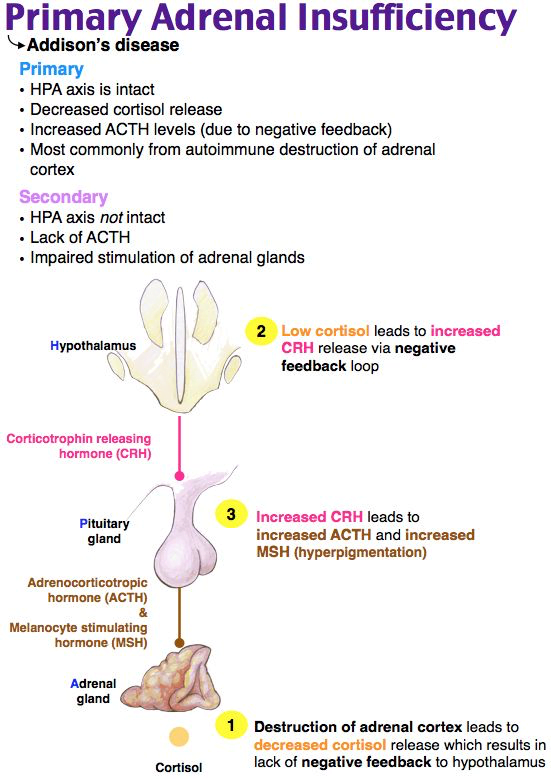
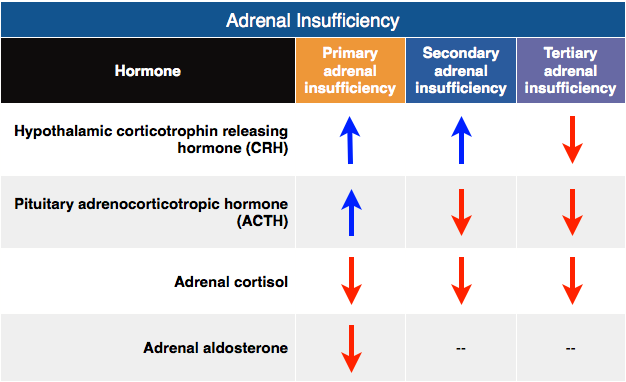
– Adrenal Crisis
– Physiology of Cortisol
– Functions of cortisol (partial list!)
- Enhances vasoconstrictor response to catecholamines
- Helps regulate carbohydrate metabolism (increases blood glucose levels)
- Decreases insulin-stimulated glucose uptake by cells
- Stimulates hepatic gluconeogenesis
- Induces catabolic changes in skin and connective tissue (striae in Cushing syndrome)
- Decreases osteoblast activity and bone formation
- Decreases calcium levels, decr Ca absorption from gut
- Increases glomerular filtration rate in kidney
- Suppresses TSH
- Anti-inflammatory, but can impair immune function (decreases arachidonic acid available for synthesis of inflammatory mediators, inhibits proliferation of mast cells and production of cytokines, inhibits recruitment of leukocytes to infection site, affects number and function of neutrophils and eosinophils)
- Physiology of Aldosterone
- Primarily to reabsorb sodium and excrete potassium from distal nephron
- (water also reabsorbed with sodium)
- Also affects gut and sweat gland ions
- Regulated by renin-angiotensin system and K+ levels
– 
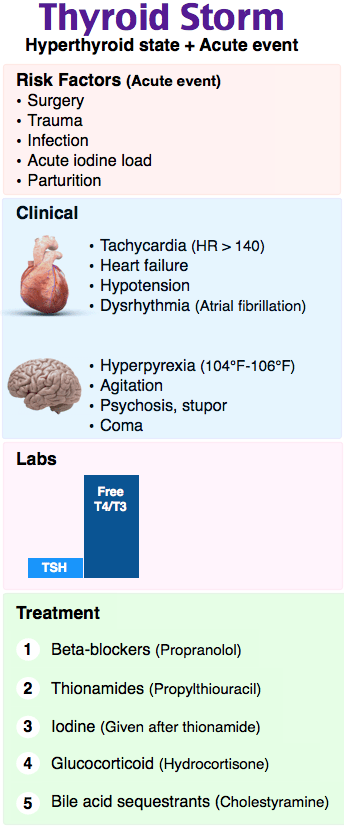
– Thyroid Storm
– 
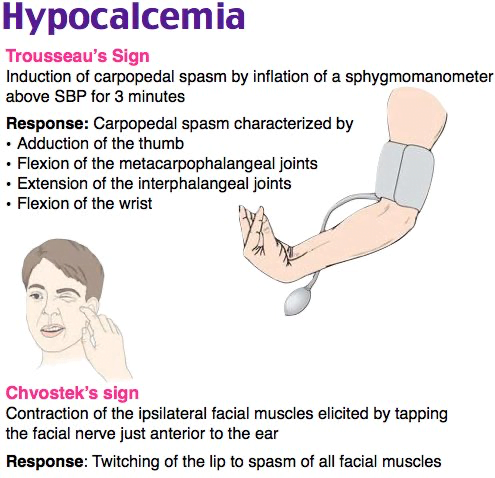
– Hypo/Hypercalcemia
9) How to write and give a lecture – Rebecca Jeanmonod, MD
– teach to the learner
- Common ground
- New material
- Withhold material.
- Pack lightly when you are teaching.
- What do we need to know and if we don’t have it will someone die? Lol
- PATHOPHYSIOLOGY CRITICALLY IMPORTANT TO KNOW
- Those who tell stories rule the world- teaching off of stories.
- Engaging with people through stories
- Socratic method sacretes
9:30) Dealing with the difficult patient – Eric Eustice, DO
– number 1 priority – Safety
– patients being difficulty for a variety of reasons but 3 big things
– Way to approach a difficult patient
– Try to remain calm (meme from the office)
– Active listening
– Empathetic communication- “do I get a bonus if I act like I care?”
– SET BOUNDARIES
– involve support- I AM THE CHARGE NURSE
– seek assistance ask for help
– Document, document, document 🡪 State the facts
– ED course and time stamping the events – real time
– Don’t take it personally
– We won’t make everyone happy and that’s ok
10) Endocrine Jeopardy – Jason Becker, MD
– Below are Endocrine EM boot camps (:
– https://www.youtube.com/watch?v=HwPd_kJPRCI
– https://www.youtube.com/watch?v=VxoCYXfGScQ
– https://www.youtube.com/watch?v=siqpKubExeU
11) Morbidity & Mortality Conference. David Pronchik, MD
12) EM Case Presentation – Thu Nguyen, MD
– Extremity weakness – A case of spinal cord stroke 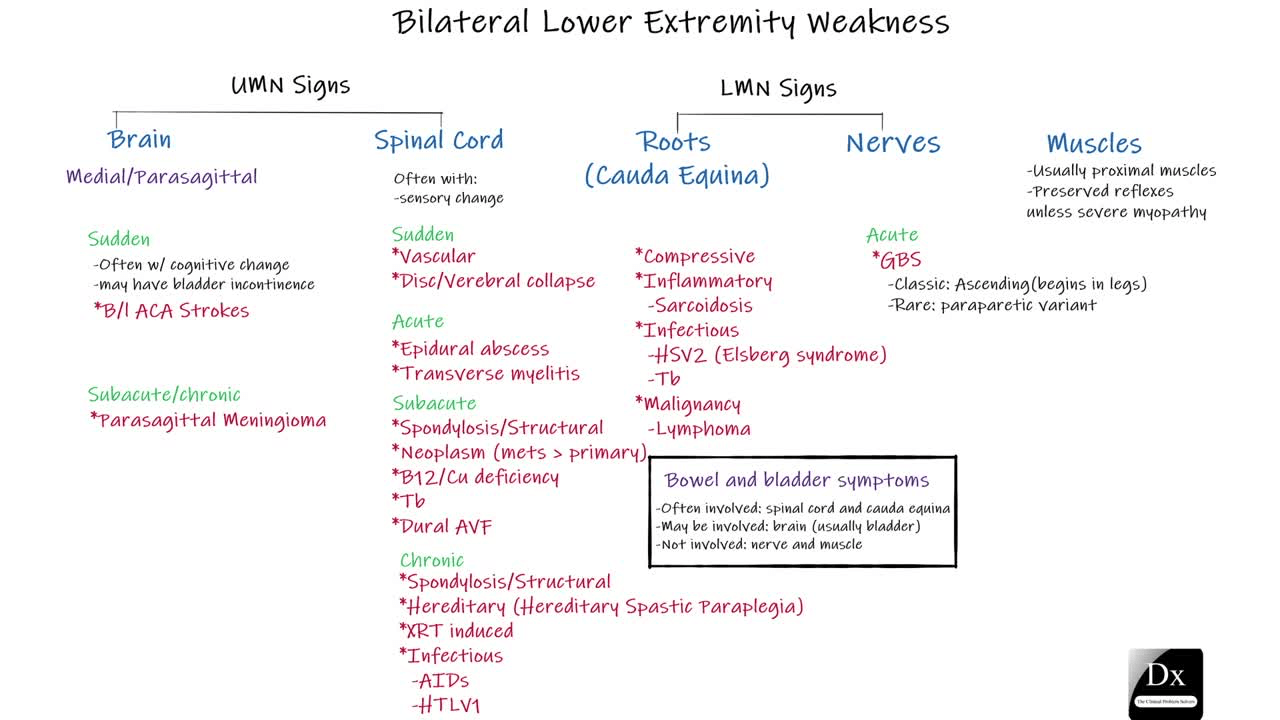
12:30) TRIAGE – chiefs
- Toxicology
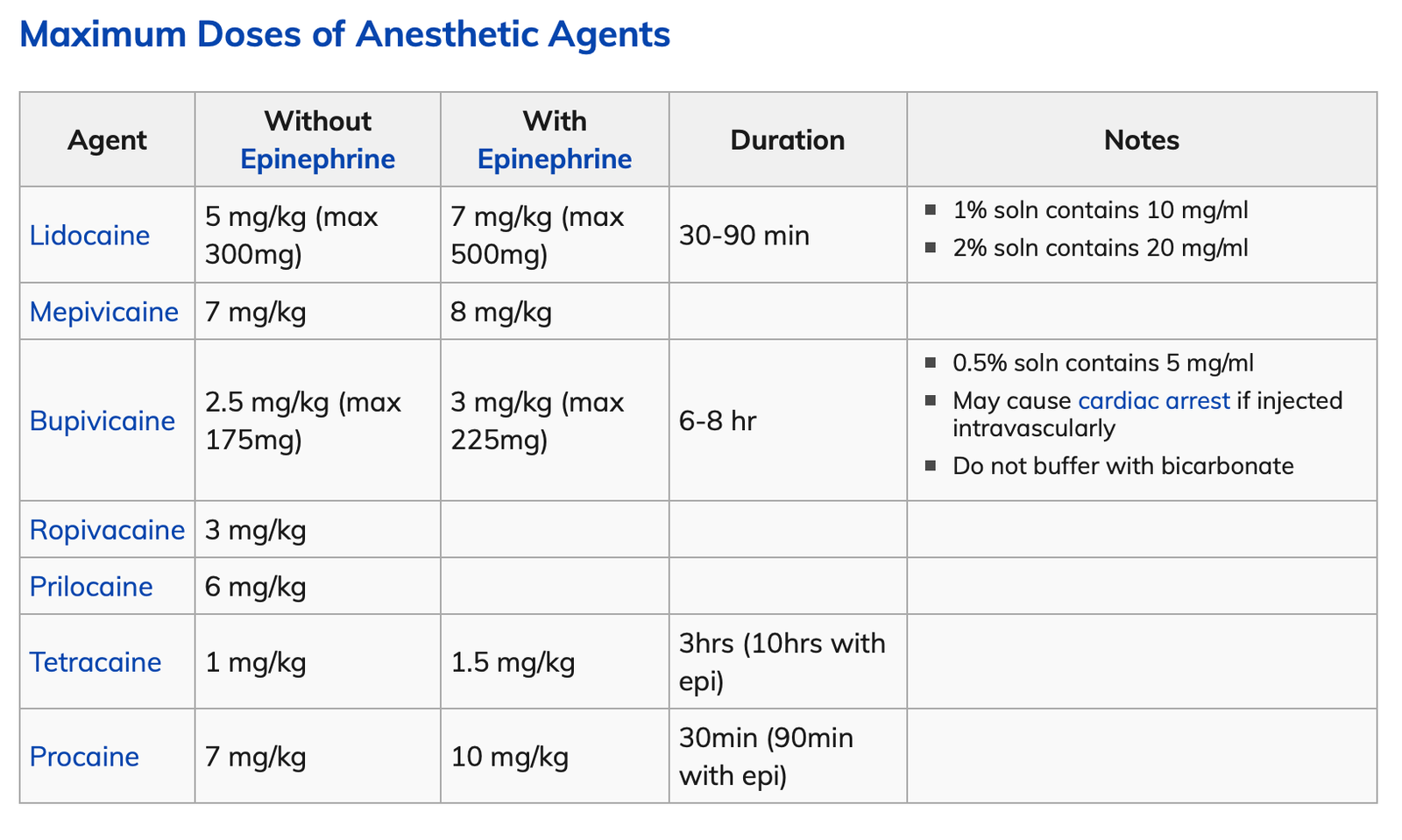
- LAST
- Life threatening reaction to local anesthetics
- Generally, occurs within minutes of injection, but can present in a delayed fashion
- Caused by injection into systemic circulation, exceeding the max dose, or absorption into an extremely vascular area
- CNS symptoms early, cardiovascular usually second
- For arrythmias give amiodarone (not lidocaine or procainamide), and for ACLS give reduced dose epinephrine (1mcg/kg instead of the standard 1mg)
- Treatment is lipid emulsion and supportive care, ECMO for refractory cases

- LAST
- Radiology
- Acute Chest Syndrome
- Can initially have negative CXR – 50% of hospitalized SCD patients who go on to develop Acute Chest syndrome.
- A new pulmonary infiltrate consistent with consolidation of at least one lung segment
- Accompanied by chest pain, coughing, fever, and wheezing
- Acute Chest Syndrome
- Integument

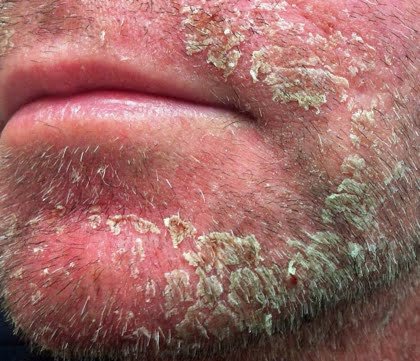
- Seborrheic Dermatitis
- In newborns, known as cradle cap
- Greasy, yellow, red scales
- In newborns it is around scalp, ears, cheeks, neck, nasolabial folds
- In adults with widespread or severe lesions consider immunosuppression/HIV
- Manage with mineral oil followed by washing/removing scales with comb or with salicylic acid shampoo
- Ancillary
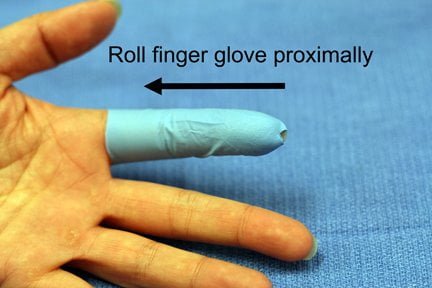
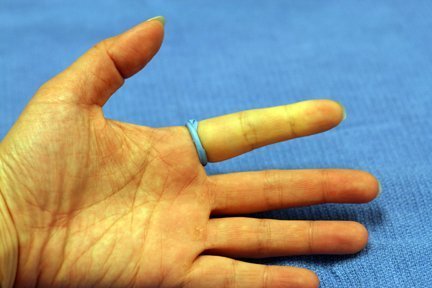
- Glove Tournoiquet “ring” for bleeding finger

- General
- Reember you sepsis notes (:
- EKG

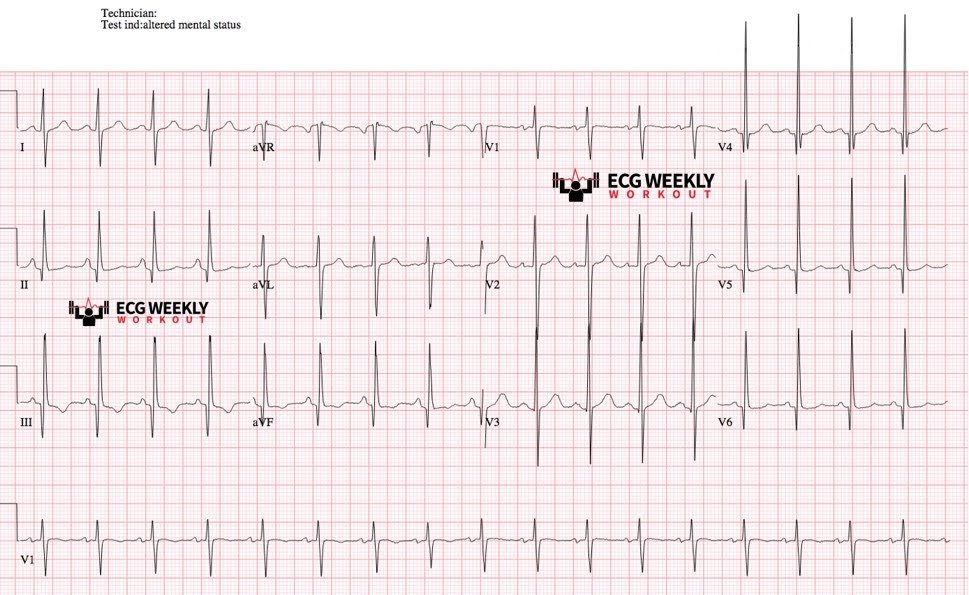
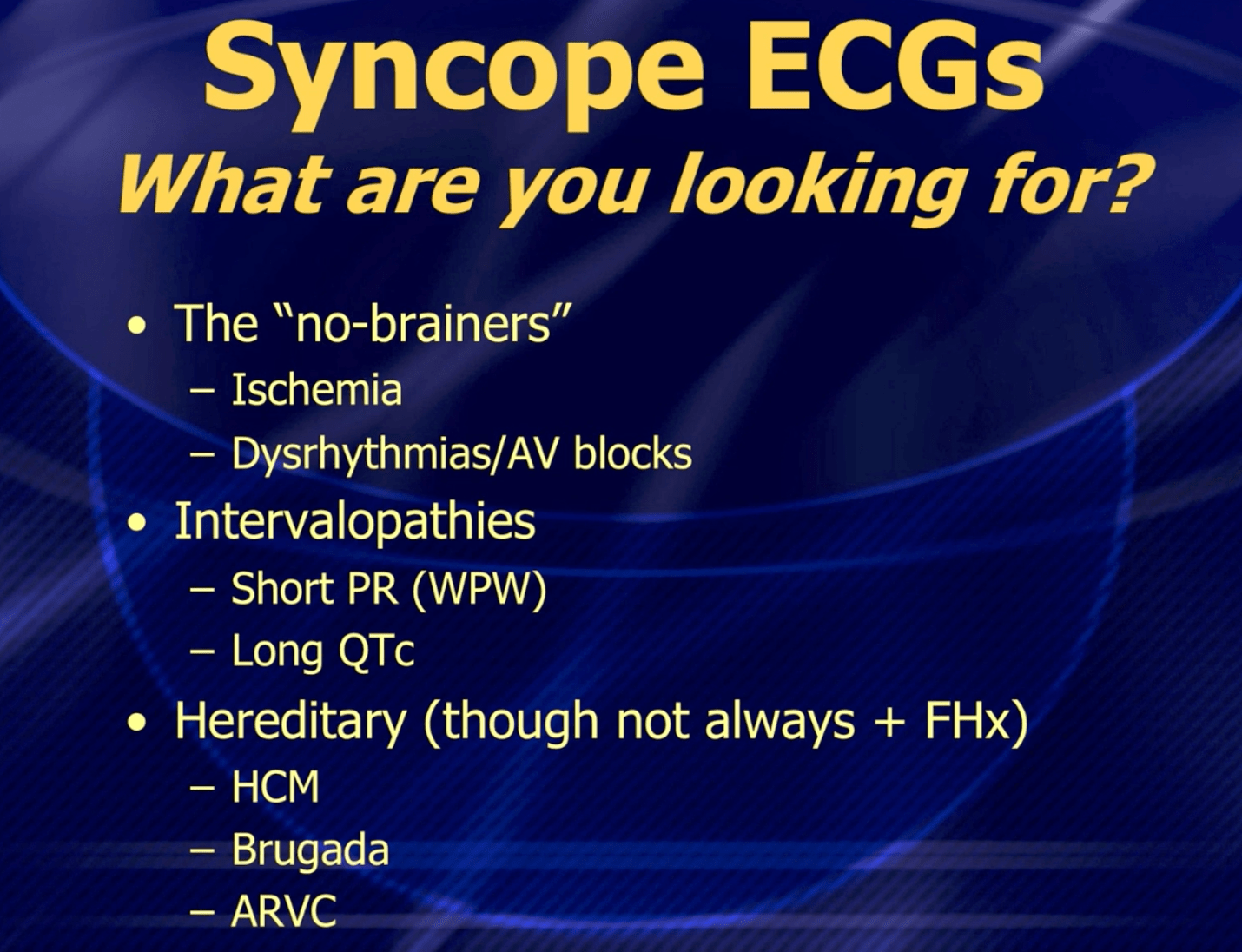
- 22yoM presenting for CC- SYNCOPE
- EKG shows HOCM—Daggers

November 23, 2023.
HAPPY THANKSGIVING!
(no grand rounds)
November 30, 2023.
8) When to worry and what to do with abnormal electrolytes – Guhan Rammohan, MD
8:45-9:15) Cases in ED ultrasound: Trauma – Donald Jeanmonod
9:15-10) Interactive endocrine – Rachel Patterson, MD
10) Wellness Presentation – Jill Stoltzfus, PhD – residents need pen and paper
10:30) Saves of the month(s) – John Pester, DO
11) EM Case Presentation – Kelly Allen, MD
11:30) TV Pacing – Annette Palladino, DO
12) Panel discussion: what happens when you get sued – multiple faculty